Rudraksha Beads, Malas & Spiritual Accessories
Start with the basics: What Is Rudraksha? explains seed identity, traditional use and how to review authenticity or origin claims before choosing a specific mukhi bead.
Rudraksha beads, malas and spiritual accessories
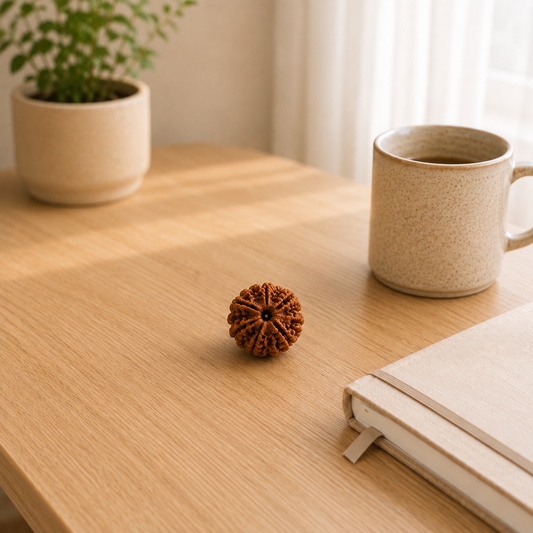
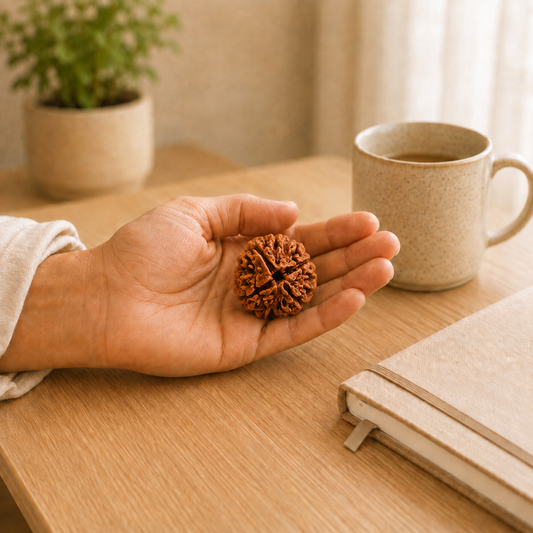
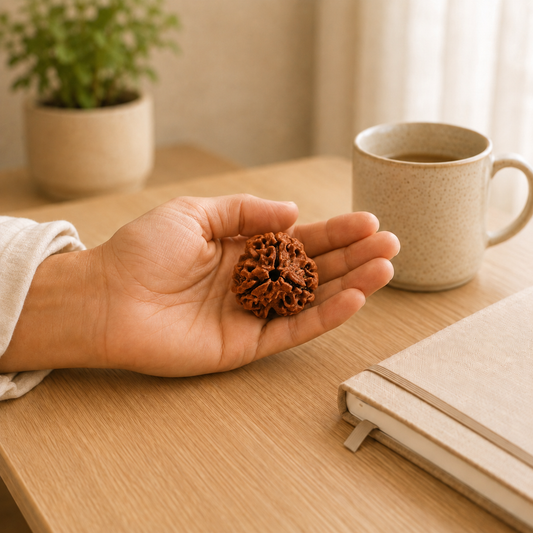
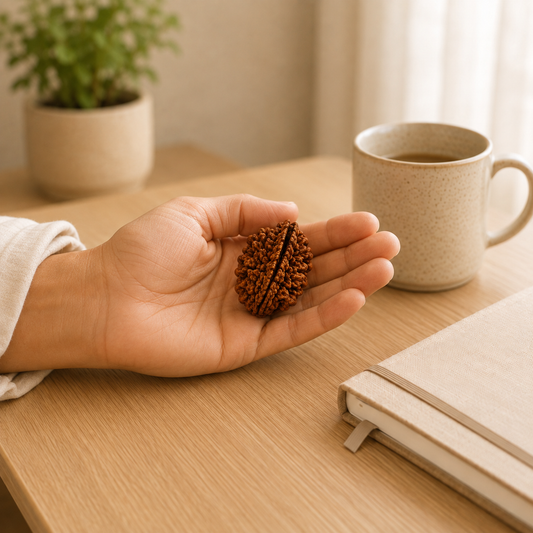
Rudraksha refers to seeds traditionally used as prayer beads in Hindu and other contemplative practices. A mukhi is a natural face or groove counted on a bead; the number forms part of the customary naming system. Different traditions associate particular mukhi counts with reflection, discipline, learning and devotion. These associations are cultural and spiritual interpretations, not laboratory-established effects.
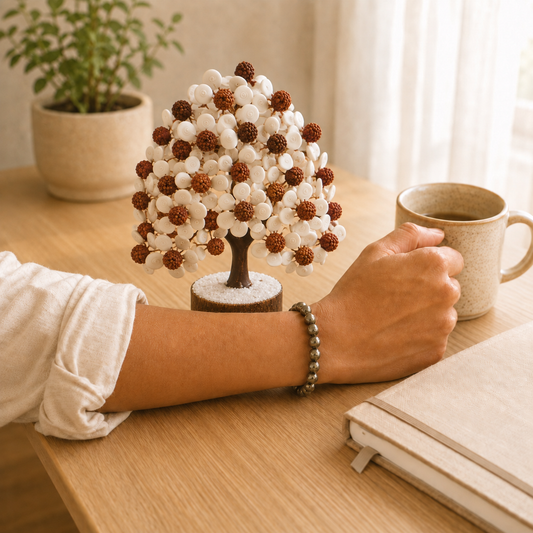
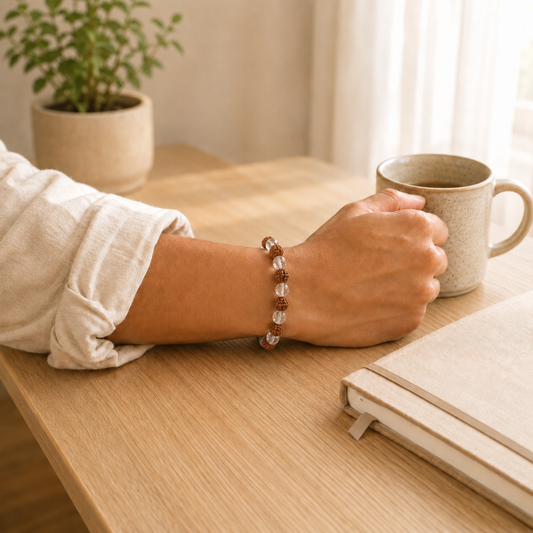
Shop a selected range of Rudraksha pieces, including individual 2–7 Mukhi beads, a 1 Mukhi pendant, prayer malas, a bracelet combining quartz and Rudraksha and symbolic décor. Choose between one loose bead for a personal practice, a wearable piece for a visible reminder, and a mala for repeated prayer or meditation. Product availability and material disclosures on each listing take precedence over a generic buying guide.
Which Mukhi should you consider?
Bead
Traditional theme
Browse
2 Mukhi
Harmony and cooperation
2 Mukhi bead
3 Mukhi
Confidence and fresh starts
3 Mukhi bead
4 Mukhi
Learning and expression
4 Mukhi bead
5 Mukhi
Daily reflection and contemplation
5 Mukhi bead
6 Mukhi
Attention and discipline
6 Mukhi bead
7 Mukhi
Stewardship and prosperity symbolism
7 Mukhi bead
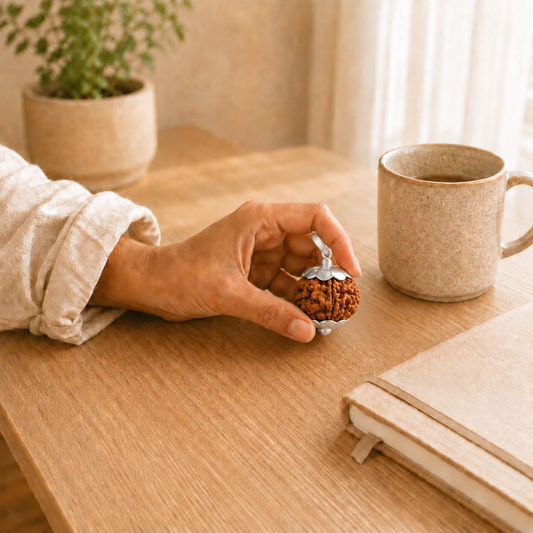
For a finished wearable piece, compare the 1 Mukhi Rudraksha pendant or the Rudraksha and Karungali mala. A particular number of grooves is not a substitute for verifying the actual material and construction of an individual item.
How to evaluate authenticity and origin
Inspect the bead's natural surface and groove structure, look for detailed photographs of the actual piece and ask the seller for any treatment, origin or testing records associated with that specific product. A photograph, water test, weight test or a universal claim that every bead comes from Nepal is not proof of authenticity. More specialist examinations may be appropriate for high-value beads, especially one-face specimens.
Evashu's catalog identifies these products as packed in India. Packing location does not establish where the seed grew. Do not infer a Nepal or Indonesia origin, X-ray result or individual laboratory certification unless documented on the relevant listing or in product-specific records.
Practical use and care
Keep beads dry after use, wipe them gently and avoid harsh solvents, soaking or abrasive cleaning. For malas and bracelets, check string, knots and clasps for wear. Traditions vary on how Rudraksha should be worn or handled; choose a practice consistent with your own beliefs and physical comfort.
Read the complete Rudraksha Mukhi guide for a wider explanation of traditional classifications. The guide explains symbolism and material considerations without treating spiritual associations as medical or financial guarantees.
More Rudraksha reading: 5 Mukhi Rudraksha: meaning and care · Rudraksha vs Crystal Mala.